

Caribou on the Decline
Woodland caribou were once an important food source for the Tse’Khene Nation, but their population numbers have declined due to the compounded impacts of increase of moose in the area, environmental changes from logging projects, and hunting by wolves. Over time the community saw the reduced number of caribou and moved into a caretaking role for the animals. The community began raising the alarm bells with the province of British Columbia, and asking people in the area to not hunt caribou.
The Feeding Program Begins
In 2014, woodland caribou–named the Kennedy Siding herd after the nearby Kennedy Siding railway–were defined as endangered under Canada’s Species At Risk Act. That same year, Doug Heard, a wildlife biologist specializing in caribou, proposed a project to feed the caribou herd during the fall, in the hopes that more food would lead to greater health and population growth. He suspected that caribou may be avoiding their regular feeding areas to avoid predators. The McLeod Lake Indian Band members agreed, and continued to advocate for environmental and animal protection in their stewardship work.
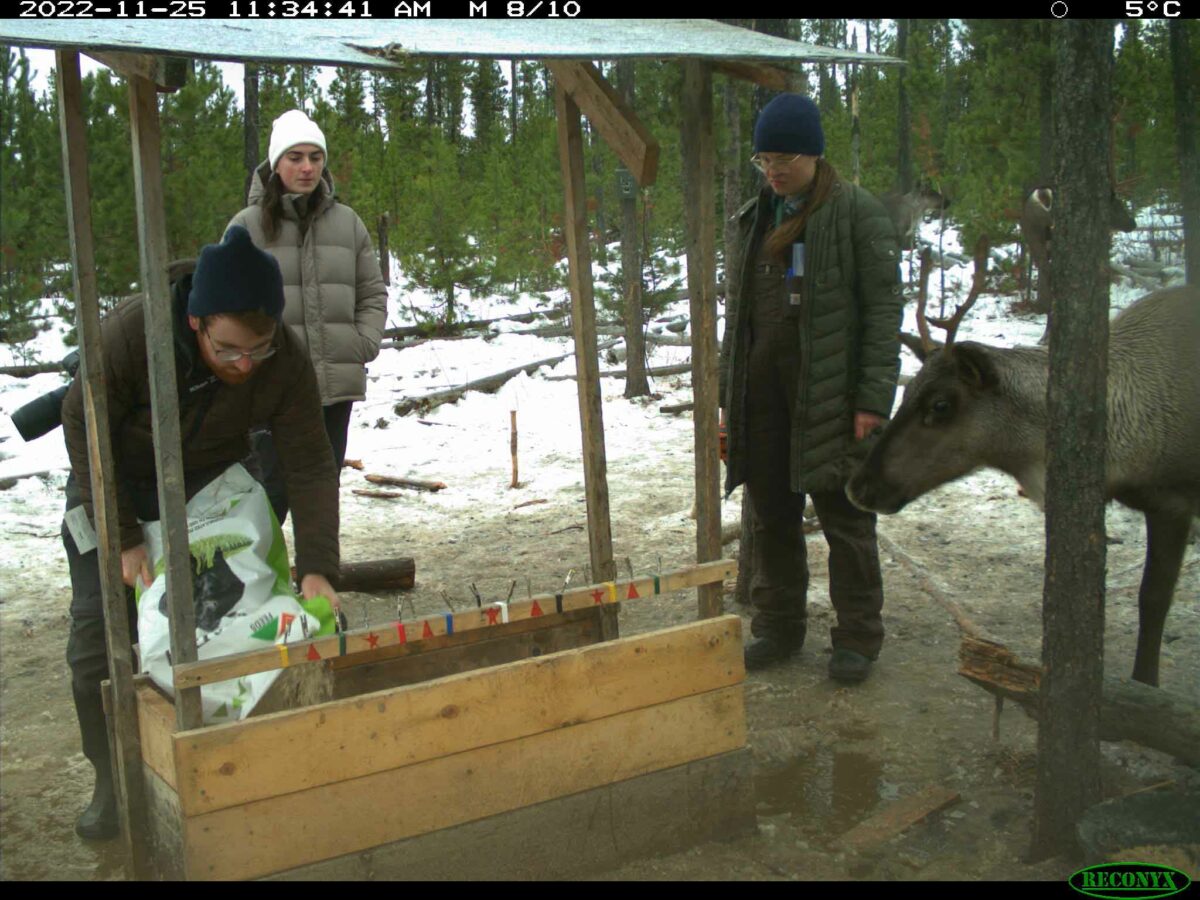
Did You Know? As part of the feeding program, caribou are photographed and named. If you’re in the McLeod Lake area, you may just run into Trident, Dolly, or Romper Stomper on your forest walk!

Program Results and Population Growth
Before supplemental feeding began, the Kennedy Siding caribou herd was declining at about 9% per year. The first year of the feeding program showed encouraging results, and the Kennedy Siding caribou herd has now increased by 16% each year from 2014 to 2022.
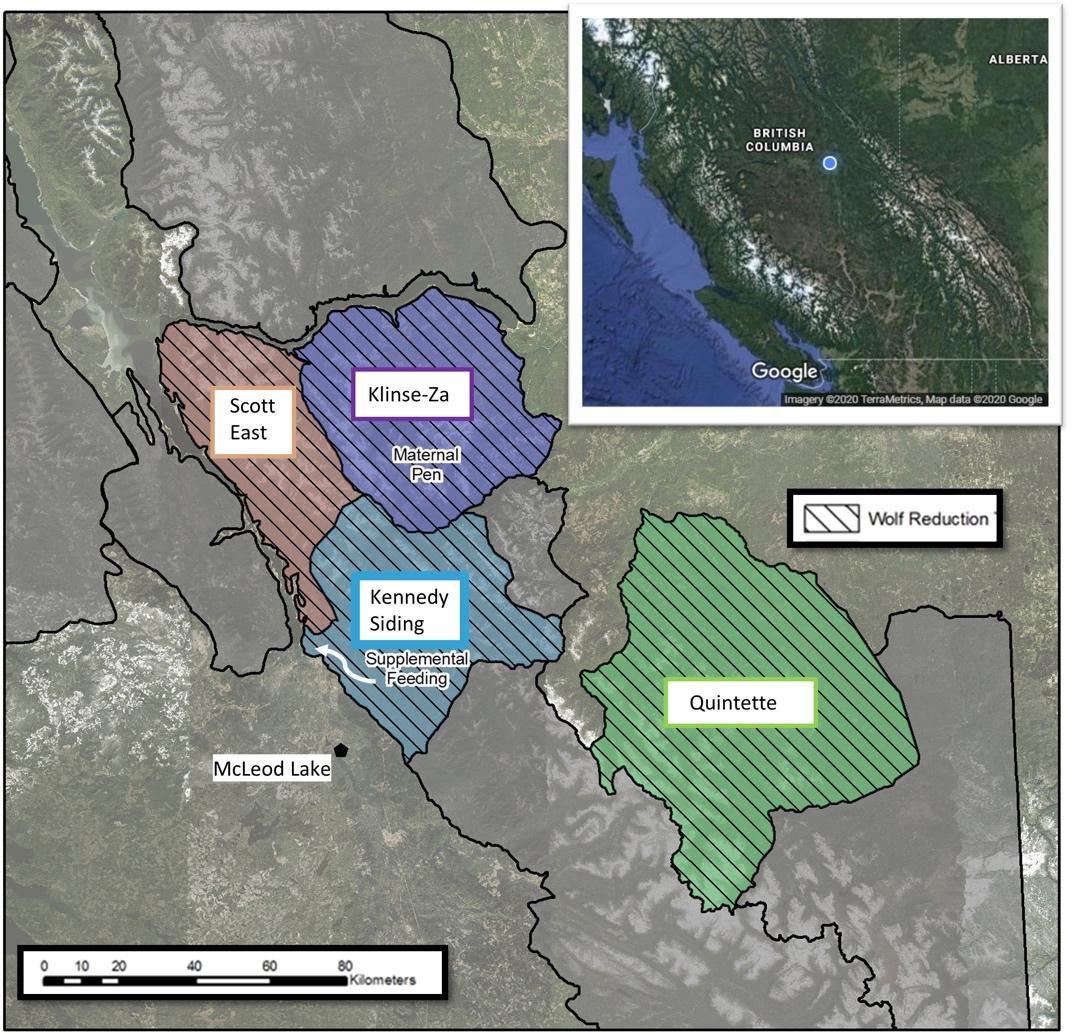
To measure the effectiveness of the program, the population growth was compared to the close by Quintette herd who were not being fed. During these years, the Government of British Columbia also carried out wolf culling programs in the area, which likely had an impact on the population growth results.
Education and Outreach
To share the importance of caribou and the impact of the feeding program, the program welcomes students and community groups onto the land for field trips and visits with the caribou. The program team educates visitors on the success of the program over time and the traditional stewardship values of the Tse’Khene Nation.

Caribou are the only species in the deer family where both males and females grow antlers (Nature Canada)